Why the PayPal Mafia became the most influential network in Silicon Valley — and what principles you can apply to your own networking
April 10, 2026
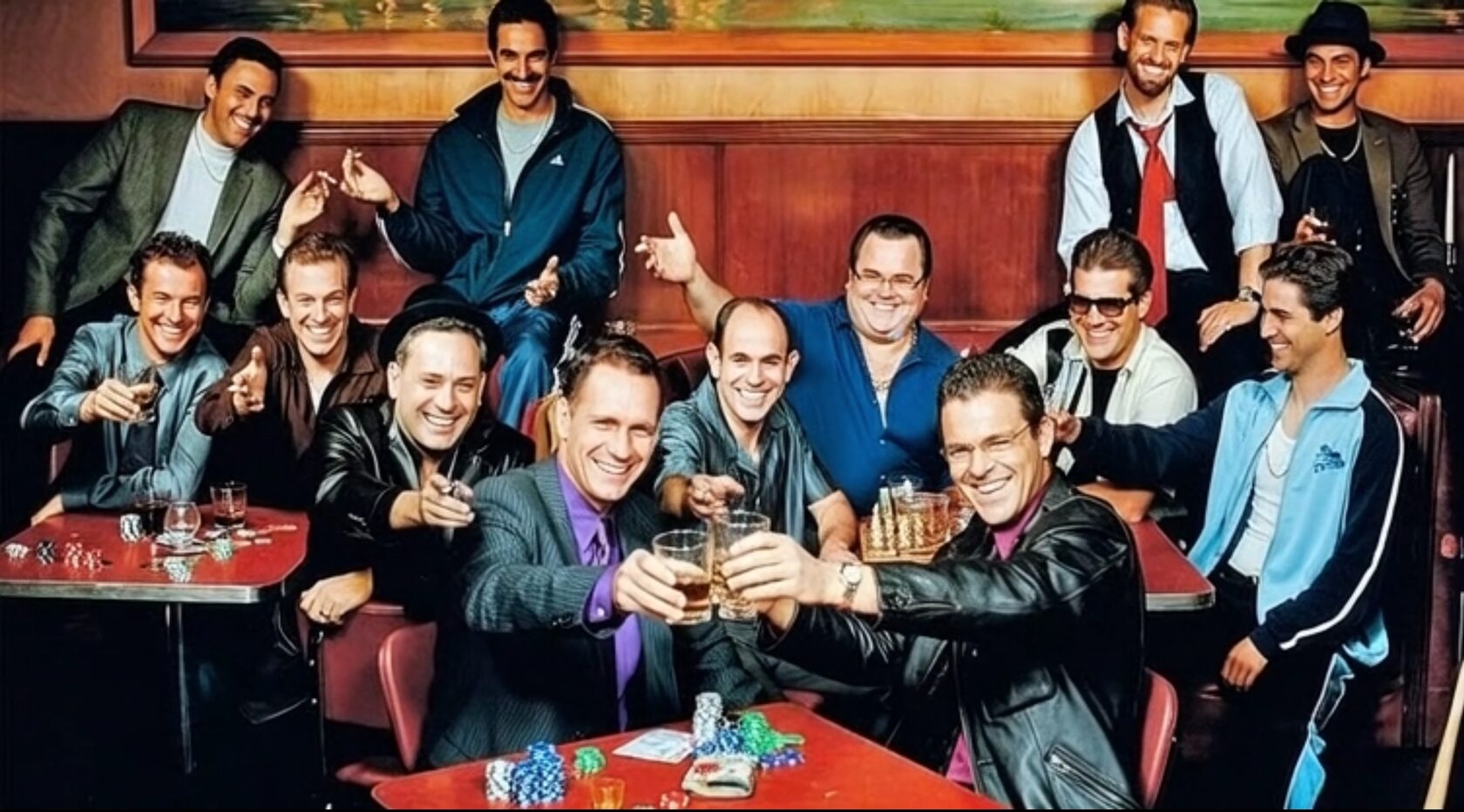
The story of the PayPal Mafia: how trust, shared experience, and mutual support turned a startup team into the most influential network in Silicon Valley — and three principles you can take into your own networking
A story of trust, shared values, and a network that has created dozens of world-class companies
Not just “cool founders,” but a circle of trust that kept working even after the company was sold.
Back then, it was a bold startup that brought together people who would later become stars of Silicon Valley: Peter Thiel, Max Levchin, Elon Musk, Reid Hoffman, and others.
When PayPal was sold, the team dispersed; but the most important thing they had already gained was a shared experience and a very high level of trust. They had gone through crises, sleepless nights, and a constant race for survival. That kind of experience bonds people more strongly than any formal connections.
And instead of drifting apart, they stayed in touch and kept communicating.
They invested in each other’s projects, recommended colleagues, launched startups together, supported one another’s initiatives, and opened closed doors for each other.
The tight PayPal network became a true ecosystem. Out of it grew Tesla, SpaceX, LinkedIn, YouTube, Yelp, Palantir Technologies, and dozens of other companies. If you look at the startup landscape of those years, almost everywhere you’ll find someone from PayPal nearby — as a founder, investor, board member, technical partner, or early angel.
Why did this happen?
Because at PayPal they gained the most important thing you need for networking: trust.
They saw each other in real situations. They knew who could handle pressure, who really worked, who kept their word, who took responsibility. In business, this is the key currency.
Over time, they became one of the most influential groups in Silicon Valley not because of money, but because of the quality of their relationships. The money came later as a consequence.
Three principles of the PayPal Mafia that you can apply to your own networking: treat your team as a circle of trust, maintain the connection after the project, and invest in people, not just projects.
1) Treat your team not as a job, but as your future circle of trust.
The strongest networks are born not at conferences, but in working side by side—when you can see how a person acts under pressure. If you do your part of the work in a way that others can rely on you, you accumulate social capital.
2) 2) Don’t cut off contact when the project is over.
For most people, their network “dies” the moment they leave a job. At PayPal, it was the opposite. After the company, they became even closer than while working together.
Stay in touch: short messages, invitations to discuss things, help without expecting anything in return. That’s how long-term professional alliances are built.
3) Invest in people, not just projects.
The PayPal Mafia built their careers by constantly supporting one another. They made introductions, gave recommendations, and entered new companies as a “team.”
Help people around you grow, support their initiatives, and only make introductions when they are genuinely useful. In a few years, this very circle will give you 80 percent of your opportunities.