Lessons from an intelligence officer on networking
March 31, 2026
A skill for building a strong network of contacts that leads to your goals.
Building a strong network of contacts that leads to your goals.
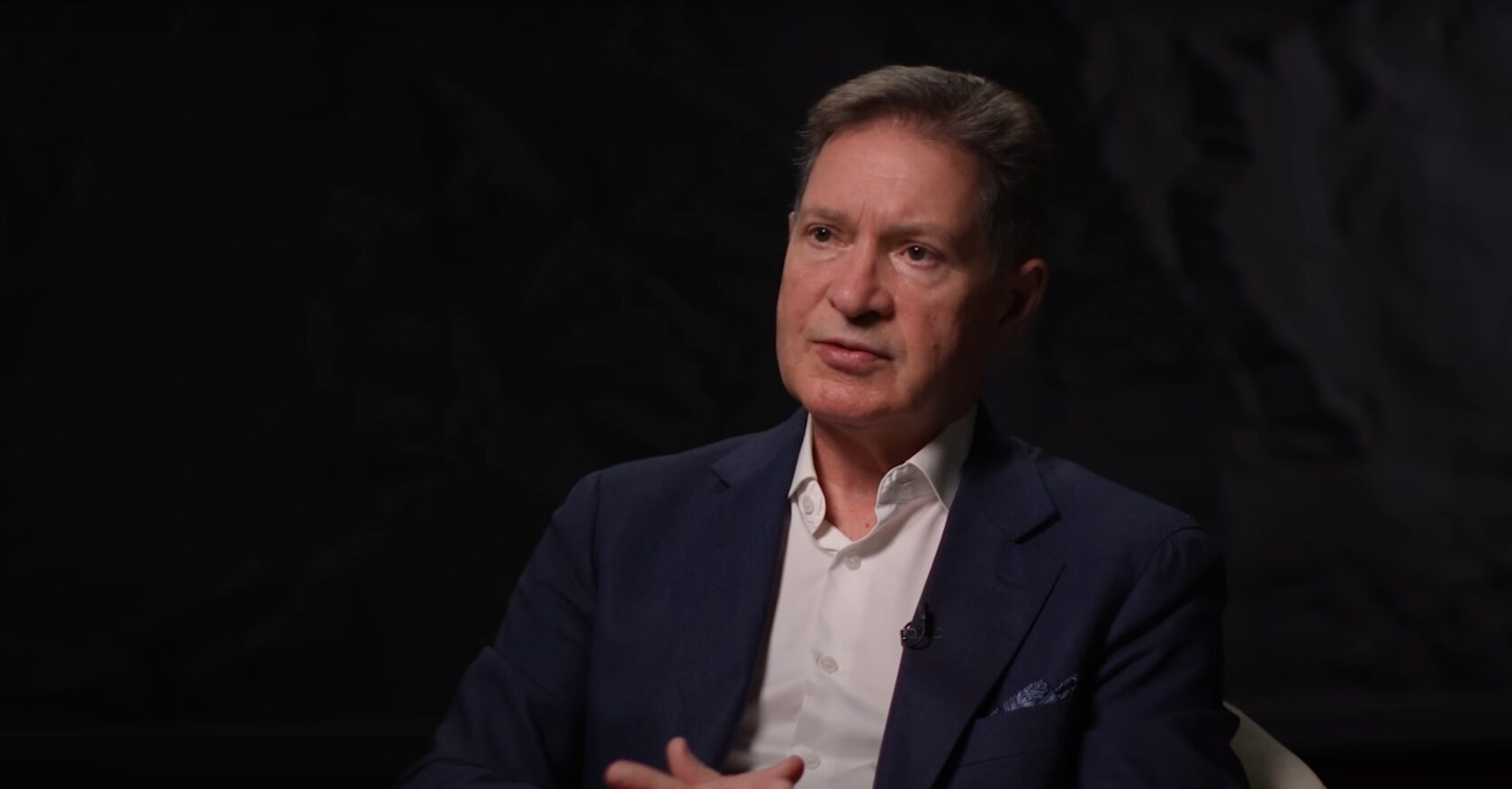
Interview with Andrey Bezrukov
A great interview on networking from an intelligence officer: an interview with Andrey Bezrukov
Illegal intelligence officers have to masterfully build relationships; their lives and success depend on their ability to find and leverage the right people. Not for espionage (let’s leave that to the professionals 😉), but for building a strong network of contacts that leads to your goals. From Andrey’s talk, I took away key principles that are highly applicable in the business world.
Not just “useful contacts,” but strategic categories
“Super-connectors” (Magnets):
These are the people everyone is drawn to. They naturally have vast networks. Your task is to find them and become part of their circle. They are your fast pass into new communities and opportunities.
Like an intelligence officer: They provide quick access to different layers of society.
For you: They open doors to new clients, partners, investors, and experts.
“Condensers” (Resource holders):
These are people who possess critical information, access to resources (money, technology, power), influence, or unique skills. They are often the ultimate goal in building many connections.
Like an intelligence officer: They are carriers of “secrets,” often with high status and education.
For you: They are potential key clients, investors, mentors, partners with unique expertise, and sources of insights.
“Helpers” / “Barriers”:
These are people who can either facilitate or complicate access to “Condensers” or “Magnets.” Personal assistants, gatekeepers, influential colleagues, or even competitors. It’s important to understand their role and motivation in advance.
Like an intelligence officer: Assessing their risk and usefulness is critical.
For you: Building a relationship with an assistant can be your ticket to the boss. Ignoring a “barrier” can block your path.
How does an intelligence officer choose a target for contact? 3 key questions:
1) “How USEFUL/INTERESTING is this person for my goals?”
Don’t waste time on “just nice” people if they don’t lead you to “Magnets” or “Condensers.”
2) “How DIFFICULT will it be to build a trusting relationship with them?”
Assess their psychotype (see below), accessibility, and possible barriers.
3) “Are there any RISKS?” (Original: “Are they dangerous?”)
In business, this is not about physical danger, but reputational risks, toxicity, unpredictability, or conflicts of interest.
Understanding psychotypes is the key to your approach:
“Narcissists”: They want to be in the spotlight and build their image.
Your tactic: Support their status, admire them (genuinely or tactfully), and never compete for attention. They can be useful “Magnets” or “Condensers” if you don’t threaten their shine.
“Anxious”: Reserved, suspicious, afraid of problems.
Your tactic: Patience, patience, and more patience. Communicate gradually and unobtrusively. Prove your reliability over time. They can be “keepers” of valuable but carefully guarded information or access.
“Confident” (Dominants):
Clear rules, impose their views.
Your tactic: Show character and value, but avoid confrontation. Respect their rules while clearly maintaining your boundaries. Demonstrate how you can be useful on their terms. They are often “Condensers.”
“Soft” (Emotional):
Crave communication, driven by emotions and comfort.
Your tactic: Maintain a warm atmosphere and be empathetic. They can be great connectors within teams (“Helpers”) or sources of informal information.
Key principles of an intelligence officer for a networker:
Goal first: Know why you need this person and how they fit into your overall network strategy.
Long-term focus: Building trust takes time and effort (“Relationships take time to build”).
Sincerity (or its masterful imitation 🙂): People sense insincerity. Look for genuine points of connection.
Continuous self-improvement: To attract high-level people (“Condensers”), you need to be on their level — in knowledge, experience, manners, and outlook. Invest in yourself.
Overcoming barriers: The first contact is the hardest. Train it! A smile, openness, and genuine interest are your best tools. “Fear of the first contact is normal, but it decreases with practice.”
Effective networkingis the strategic building of a network where each contact plays a specific role on the path to your goals.
Identify who you need (“Magnets,” “Condensers,” “Helpers”), evaluate them using “intelligence-style” questions, adapt to their psychotype, and build relationships consciously and for the long term.
If you know books on networking and empathy that could help readers, please let me know — I’ll gladly put together a new list.