Boards and your personal board of advisors.
April 14, 2026
Whom to consult about very important career questions, social mobility, and "unsolvable" problems.
What steps do you need to take to prepare for an important introduction?
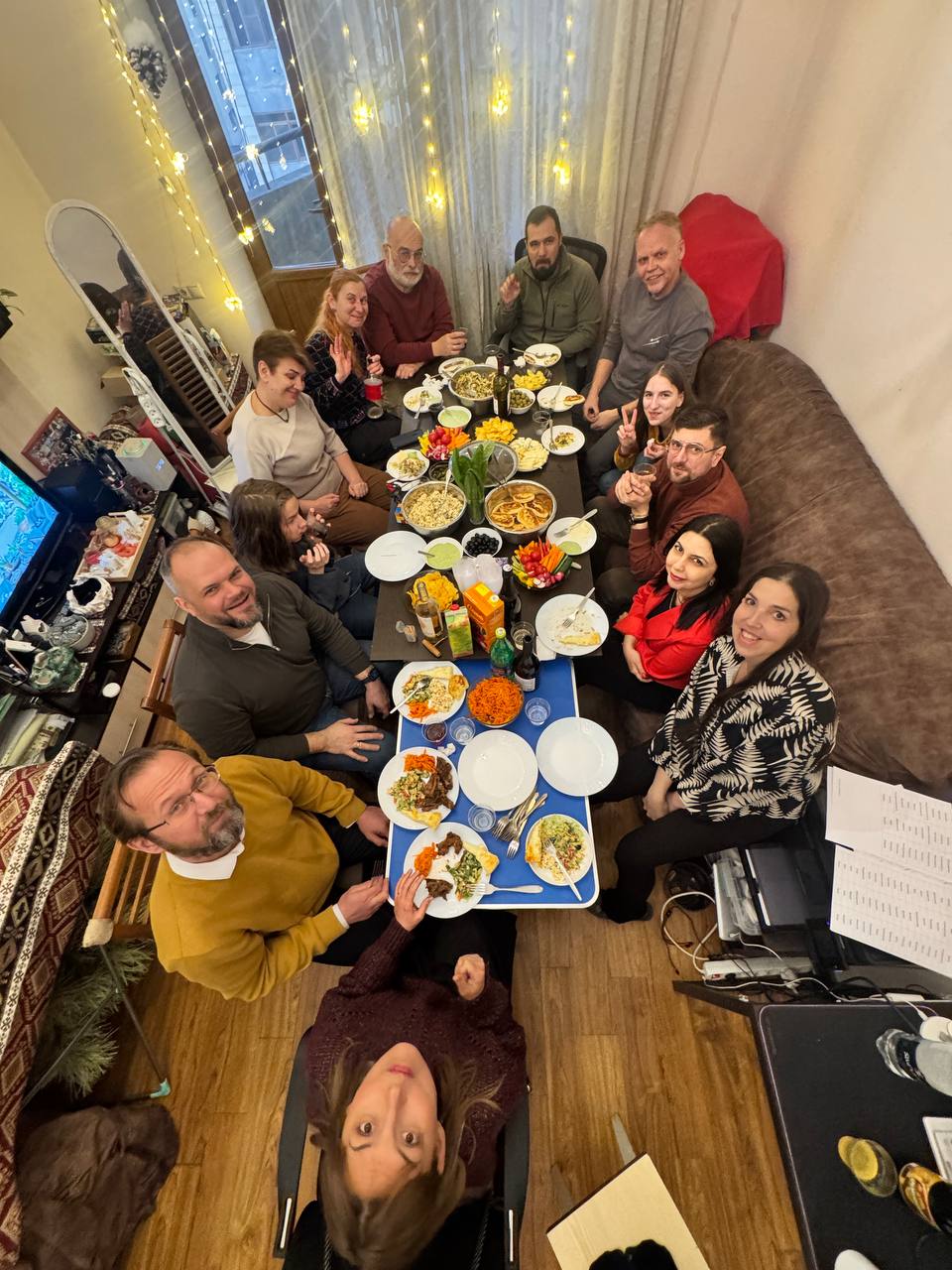
Yesterday we met up with friends. The occasion was my birthday.
And now, while the impressions are still fresh, I’m writing down my conclusions:
You need people. Let’s lay it all out on the shelves—both logically and emotionally—“what for?”:
- To check yourself against others: am I even going in the right direction? Is there an alternative route?
Maybe there’s a way into the right door through a contact who’s right here, nearby, through a friend?
- You need people who tell the truth. Sometimes an unpleasant truth—but still the truth.
— They help you make decisions. Because being close to you helps them see the development of your tasks and questions in dynamics.
And just getting “advice” usually doesn’t have the desired effect, because it doesn’t take your initial conditions into account. Here I take a deep, understanding breath and empathize with you.)
— They protect your reputation. This is your support group, the people who actually care. They are your defenders.
— Sometimes they don’t let you give up. You can whine, cry—but most importantly, they support you with a kind, quiet word.
By the way, this reminded me of a conversation with Keith Ferrazzi. In his book he writes about the importance of such contacts and calls them a personal board of directors.
That’s what distinguishes people with real influence from those who just have a thick stack of business cards.
Influential people invest not in the number of acquaintances, but in the quality of relationships.
Case: a real-life example
(I’ll hide the names and details, but this is a real example.)
In one IT company, a man worked as a top manager. And it got to the point where he kept hitting a career ceiling. Talented, yes; but decisions were made without him (by more experienced, old‑timer colleagues).
Then a director from a competing company gave him a simple piece of advice:
“You don’t need another MBA. You need three people.”
Long story short: our hero put together his own “mini board in Fili”:
former CEO — strategic decisions experienced investor — how to think in terms of scale strong COO — tough feedback (tough feedback: I heard and read their correspondence with this mentor; at times it was painful to read).
But! Two years later he became the CEO of a lively, energetic startup. And they’re flying, growing.
In short, the changes didn’t happen because he suddenly became smarter (he was already smart).
A board of directors is not a status, but a tool: people who give you a different angle and aren’t afraid to say unpleasant things.
And this is work. Networking on maximum power: mano a mano, face to face.
Even if it’s via calls or messaging. But the most important thing is people.
And your relationships with them.
Even if (see point one) they tell you unpleasant truths.
Conclusion
Be friends with your friends and ask their advice.
Even if you haven’t all met up in Fili for a long time.